
Musandam is Oman, cut off from the rest of Oman.

-
01
Mountains straight into the sea
No coastal plain, no gentle beach approach — the limestone just keeps going until it disappears underwater.
-
02
Fjord-like inlets, not open coast
The coastline is cut into narrow sea channels called khors, some of them kilometres deep into the rock.
-
03
A few places, boat-only
A handful of villages still have no road in — a dhow or a small boat is the only way to reach them.
One peninsula, two completely different trips.
-
The sea
Where most trips start — a dhow out of Khasab, into the khors, with the mountains rising straight up on either side.
- Dhow cruises into the khors
- Dolphin watching
- Swimming & snorkelling stops
- Telegraph Island
- Fishing villages by boat
-
The mountains
Leave the water behind and climb — cooler air, long views, and a completely different pace to the day.
- The drive up Jebel Harim
- Mountain villages & terraces
- Khor Najd viewpoint
- Fossil-covered rock, exposed by erosion
- Wide views back down to the sea
What a dhow cruise actually looks like.
-
109:00
Leave Khasab
The harbour and the town disappear behind the boat within minutes.
-
209:45
Into the khor
The open sea narrows, and the cliffs start closing in on both sides.
-
310:30
Dolphins, usually
Pods often ride alongside the boat — not guaranteed, but common.
-
411:30
Telegraph Island
Anchor for a swim and a snorkel around the old cable station ruins.
-
513:00
Lunch on board
The boat slows right down. Nowhere else to be for a while.
-
615:00
Back to harbour
Same cliffs, different light — the return trip rarely looks like the way out.
A coastline with no roads through it.
-
The big fjord
Khor Ash Sham
Musandam's largest inlet — the one most cruise routes are built around, with several fishing villages along its arms.
-
The swim stop
Telegraph Island
A small island that once held a 19th-century British cable station — now mostly known for the water around it.
-
Mountain viewpoint
Khor Najd
Reached by road, not boat — a viewpoint looking straight down onto a khor from the mountains above it.
-
Boat access only
Kumzar
A fishing village at Musandam's northern tip, with no road in — and its own distinct local language.

Some places here still arrive by boat.
A handful of fishing communities sit tucked inside the khors with no road connecting them to anywhere else — Kumzar, at the very northern tip, is the best-known. Boats aren't a tourist novelty here; for some villages, they're still the only way in or out.
Worth verifying current visiting arrangements with us directly — access to some communities depends on the season and the boat operator.
How much of it do you want to see?
-
Day trip
A day on the water
The dhow cruise on its own — dolphins, Telegraph Island, and back to Khasab by evening.
Best for first-time visitors -
2–3 days
The deeper escape
A dhow day plus time in the villages and along the coast, at a genuinely slow pace.
Best for couples, slower travellers -
2–3 days
Sea and mountain
A dhow cruise paired with a Jebel Harim mountain day — both sides of Musandam, back to back.
Best for active travellers -
Tailored
The private journey
Your own dhow, your own guide, and a route built around exactly how much time you've got.
Best for families, small groups
Keep half an eye on the water and the cliffs.
-
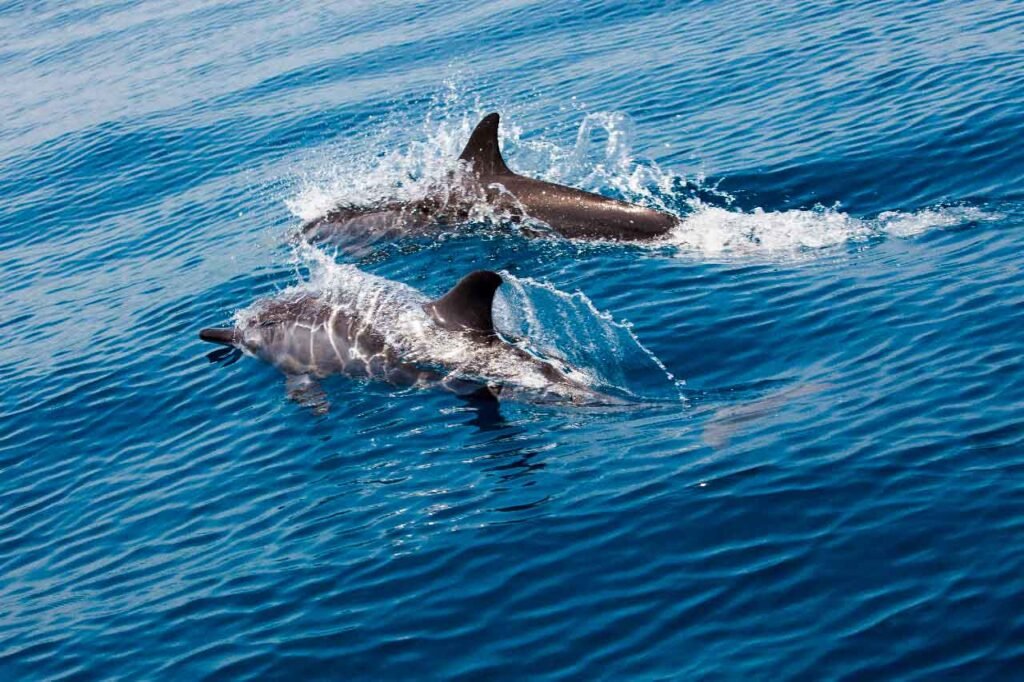
Dolphins
Watch off the bow — pods often ride the wake alongside the boat.
-
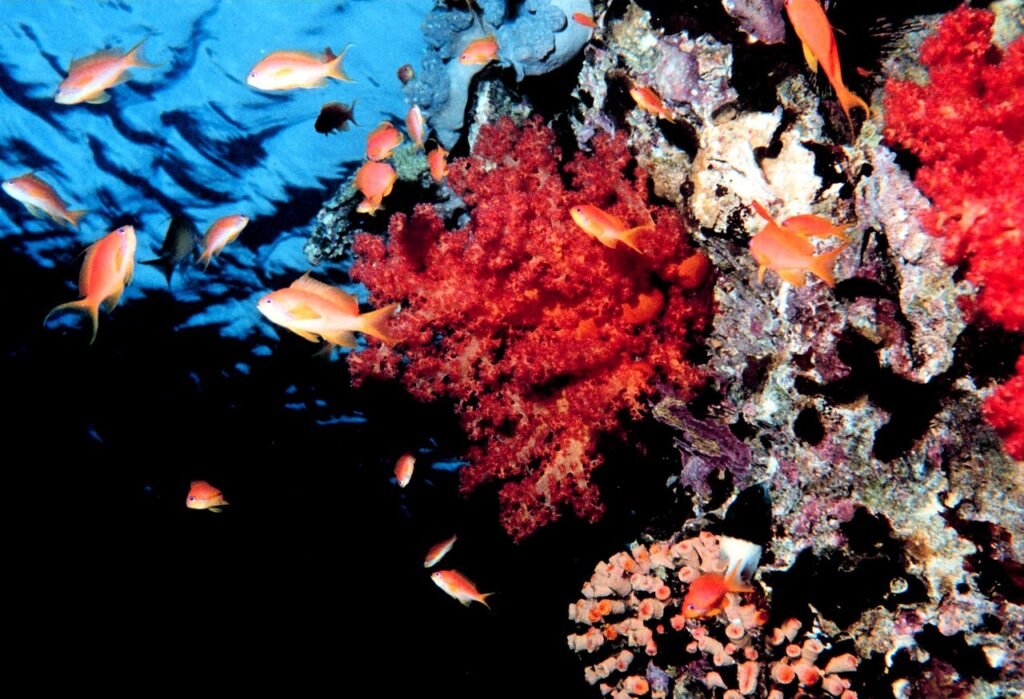
Reef fish
Clear water around Telegraph Island makes even a quick snorkel worth it.
-
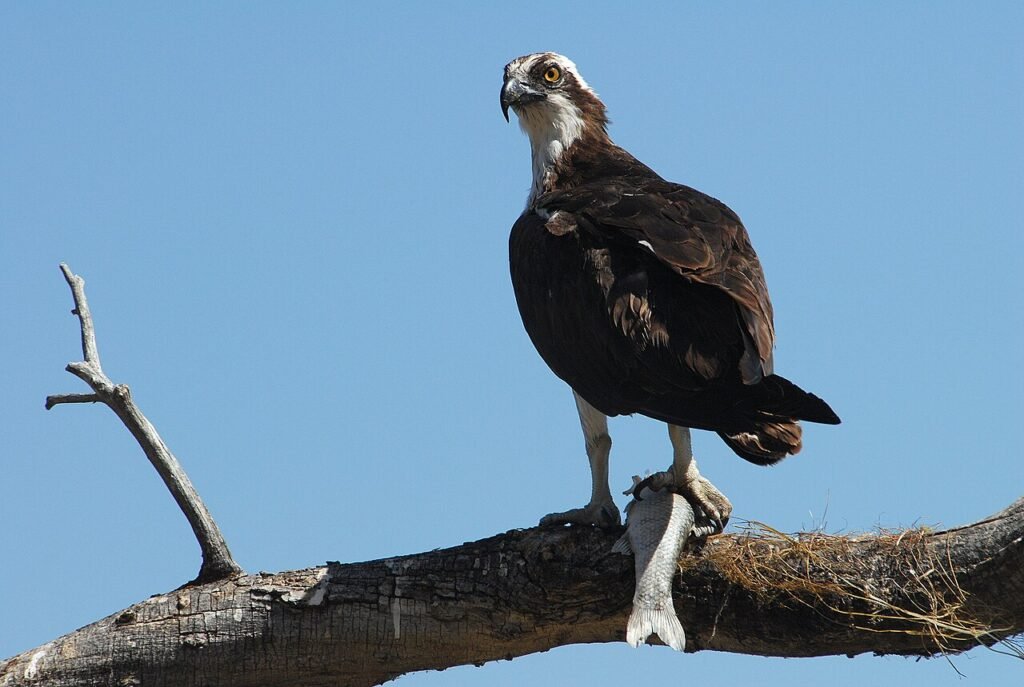
Cliff birds
Ospreys and other seabirds nest directly in the limestone walls.
-
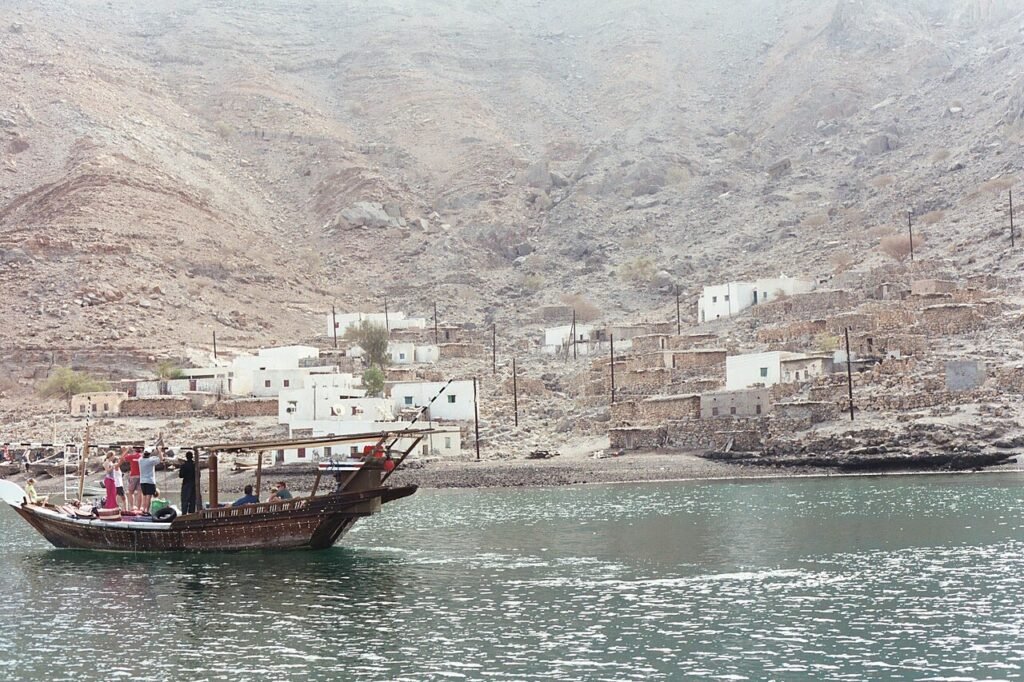 Photo: Eckhard Pecher, CC BY 2.5
Fishing villages
Small clusters of houses tucked into the khors, often only visible from the water.
The practical bits.
- Gateway town
- Khasab
- Recommended stay
- 1–3 nights
- From Muscat
- Short flight, or a long drive via the UAE
- Overland route
- Passes through UAE — check visa needs for your nationality
- Best season
- October – April, cooler and calmer at sea
- Main experience
- Dhow cruise into the khors
-
What to bring
- Swimwear
- Reef-safe sunscreen
- A hat and sunglasses
- A light jacket for the boat
- Motion sickness tablets, if needed
- Camera or phone in a waterproof pouch
There's more Oman beyond the mainland.
Tell us how much time you've got — we'll work out whether that means a day on the water, or the sea and the mountains both.