One night in Wahiba runs on its own clock.
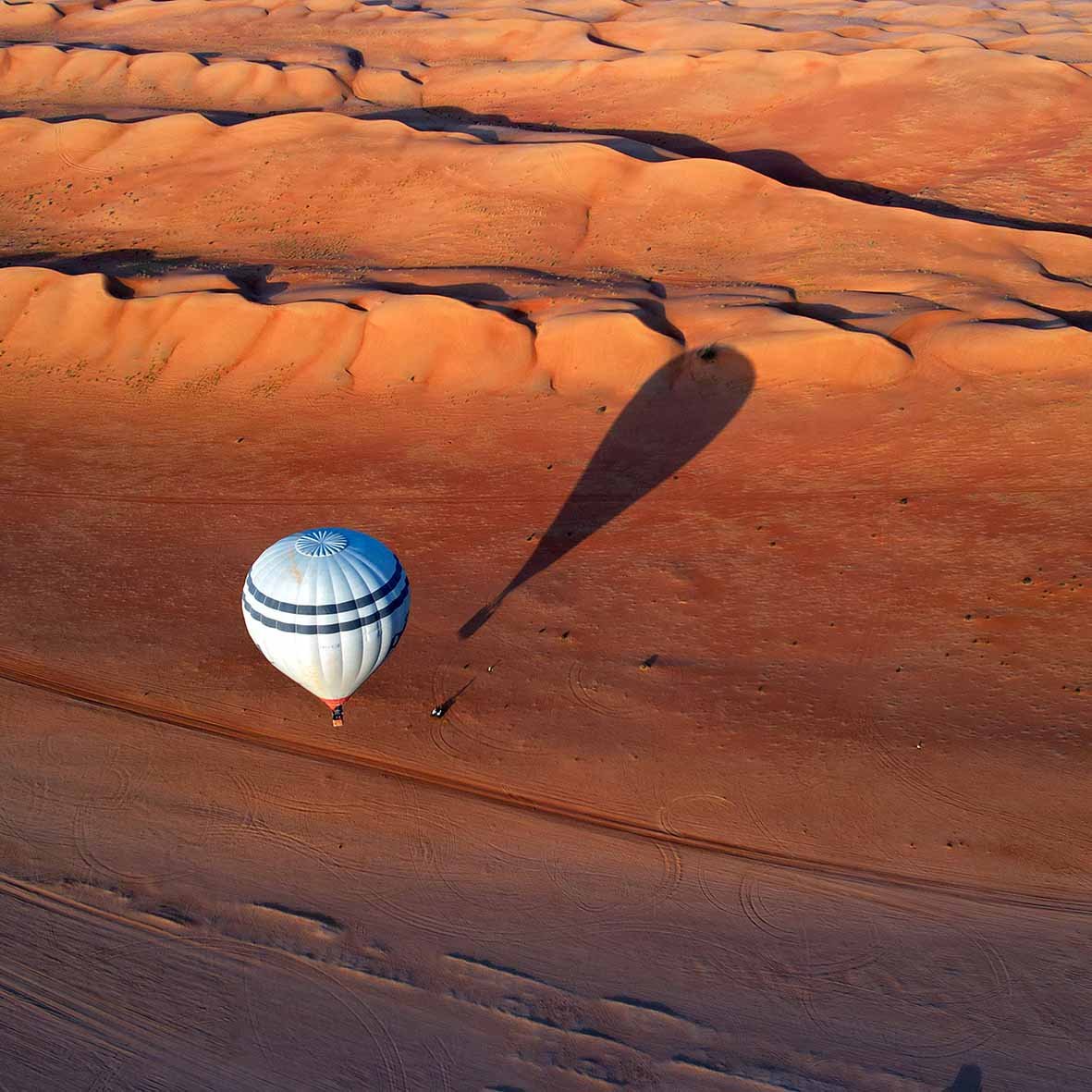
What a night in the dunes actually looks like.
-
15:30
The road runs out
Tarmac gives way to sand, and the 4WD does the rest of the driving for you.
-
17:00
First proper dunes
The ridgelines get real. This is usually when the car goes quiet and the phones come out.
-
18:00
Golden hour, on foot
Leave the vehicle, climb a ridge, and watch the whole desert change colour over about fifteen minutes.
-
19:30
Fire, coffee, dinner
Dates and cardamom coffee first, then a proper Omani dinner once it's fully dark.
-
22:00
Lights go out
The camp goes quiet and the sky properly takes over — this is the part most guests remember longest.
-
06:00
The desert wakes up first
Sunrise from the dunes, cool air, and shadows that stretch halfway to the next ridge.
-
08:00
Back on the road
Breakfast, then the tarmac again — and everyone's noticeably quieter on the way out.
However much time you've got, there's a way to do this properly.
-
The Overnight
One night, maximum impact.
For a first trip to Oman, or when the desert's one stop among several — sunset, dinner under the stars and sunrise, done properly, without eating into the rest of your trip.
Best for First-time visitorsStay 1 nightYou'll get Sunset walk, camp dinner, sunrise -
The Slow Desert
Two nights, nowhere to be.
For travellers who actually want to slow down, not just tick the desert off — a full free day in between, which out here is the whole point.
Best for Couples, slower travellersStay 2 nightsYou'll get Two sunsets, a free day, time with a Bedouin family -
The Adventure
For people who'd rather not sit still.
Dune driving, sandboarding, a camel ride timed for sunset — built for families and travellers who want to be doing something, not just watching.
Best for Families, active travellersStay 1–2 nightsYou'll get 4WD dune driving, camel ride, sandboarding
Six ways to spend the time out there.
-
Drive
Cross the dunes with a driver who's done it a thousand times and still enjoys it.
-
Walk
Climb a ridge on foot — the sand's firmer than you'd expect, and the view's worth the fifteen minutes.
-
Ride
See the desert from a camel's pace — usually timed for sunset.
-
Taste
Coffee, dates and a proper Omani dinner cooked at camp, not flown in.
-
Watch
Sunset, moonrise, and a sky that does something different every hour after dark.
-
Sleep
Under canvas, or outside on a mattress under the stars if the night's clear enough.

- 12,000 km²Roughly the size of the dune field
- 100mHow tall the biggest ridges get
- 6,000+Stars visible once your eyes adjust
What it actually feels like out there.
-
17:30
Light
The dunes stop looking orange and start looking lit from inside.
-
20:00
Fire
Dinner starts, and so does the temperature drop.
-
22:00
Sky
No camp lights left on. Just the Milky Way, properly visible.
-
06:00
Dawn
The whole desert starts over, quietly, before anyone's fully awake.
The practical bits.
- Best season
- October – April
- Recommended stay
- 1–2 nights
- From Muscat
- About 2–3 hours by 4WD
- Vehicle
- 4WD required — we arrange the driver
- Daytime
- Warm to hot, year-round
- Night (winter)
- Can drop close to cold — pack a layer
-
What to bring
- Sunglasses
- Sunscreen
- A warm layer for the night
- Closed shoes
- Refillable water bottle
- Camera (wide lens for the stars)
Most guests don't stop at Wahiba.
- Muscat→
- Nizwa→
- Wahiba→
- Wadi Bani Khalid→
- Sur
It's already Day 4 of the Classic Loop.
Wahiba sits naturally between the mountains and the coast — most of our routes use it as the turning point of the trip, not a day trip bolted on.
Ready for a night in the dunes?
Tell us your dates and how many nights you've got — we'll match you to the right camp and pace.